Hidden in the hills of Bulgaria’s Eastern Rhodope Mountains, Utroba Cave, also called the “Womb Cave,” has fascinated visitors for centuries. Its entrance resembles a natural womb, a shape that seems intentional and symbolic. Ancient Thracians are believed to have used the cave for rituals connected to fertility and the cycles of life.

Inside, water trickles gently over the stone walls. At certain times of the year, sunlight pierces the ceiling and falls directly onto a carved altar deep within the cave. This interplay of light and water is thought to symbolize life and rebirth, showing how closely the people who used the cave observed nature and its rhythms.
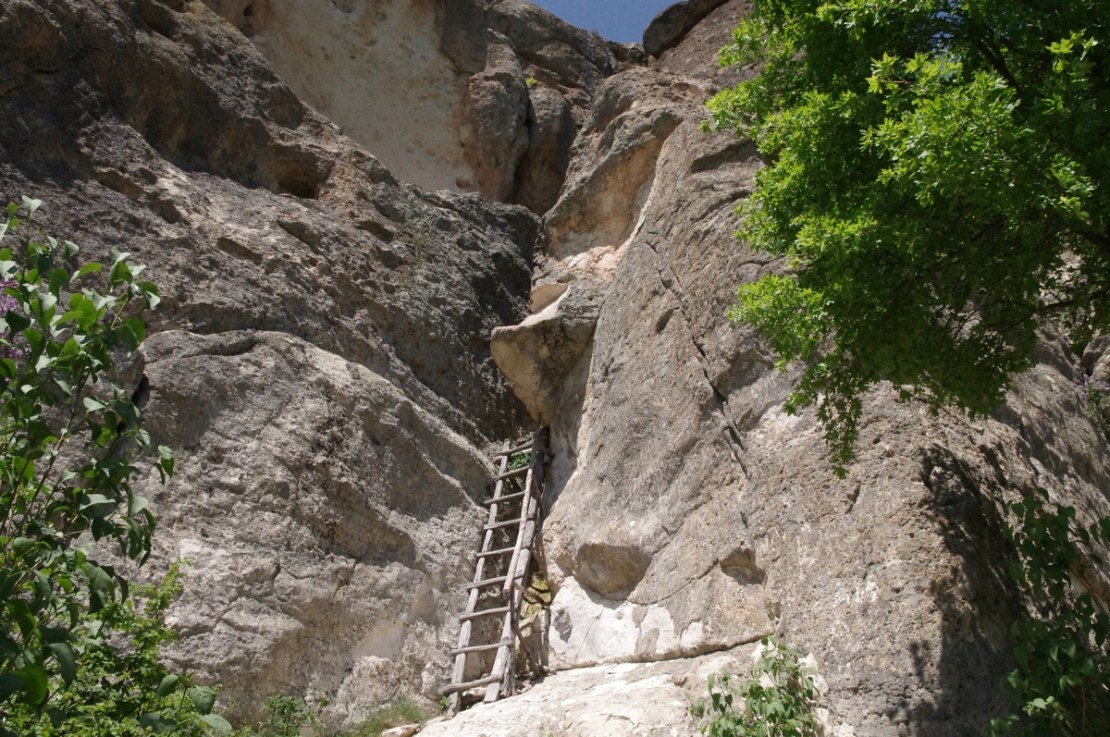
The cave feels alive. Standing inside, visitors often describe a strange sense of connection, as if walking into the Earth’s own womb. For thousands of years, it has remained a place where humans sought hope, blessing, and a bond with the unseen forces of life.
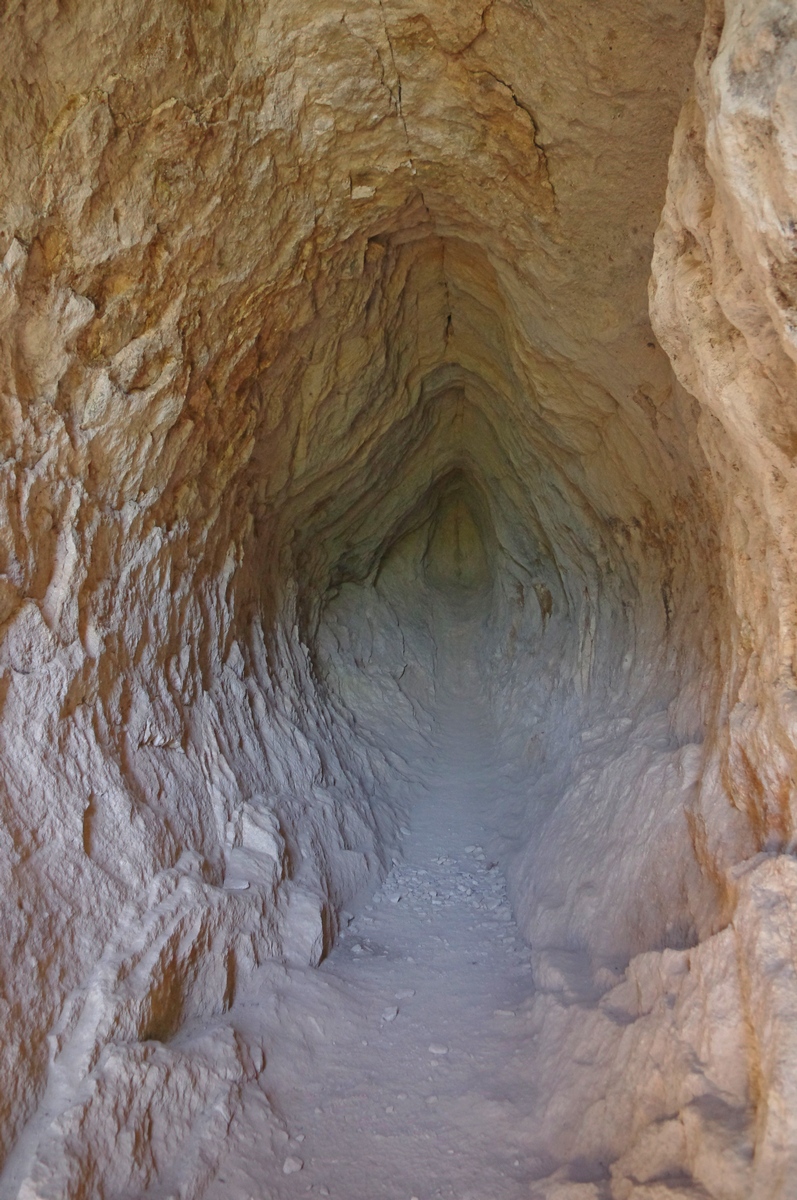
Even today, Utroba draws people who are curious, spiritual, or seeking fertility blessings. Its silent power continues to inspire awe, showing everyone who steps inside that life, birth, and nature are deeply intertwined.